%20(4).png)

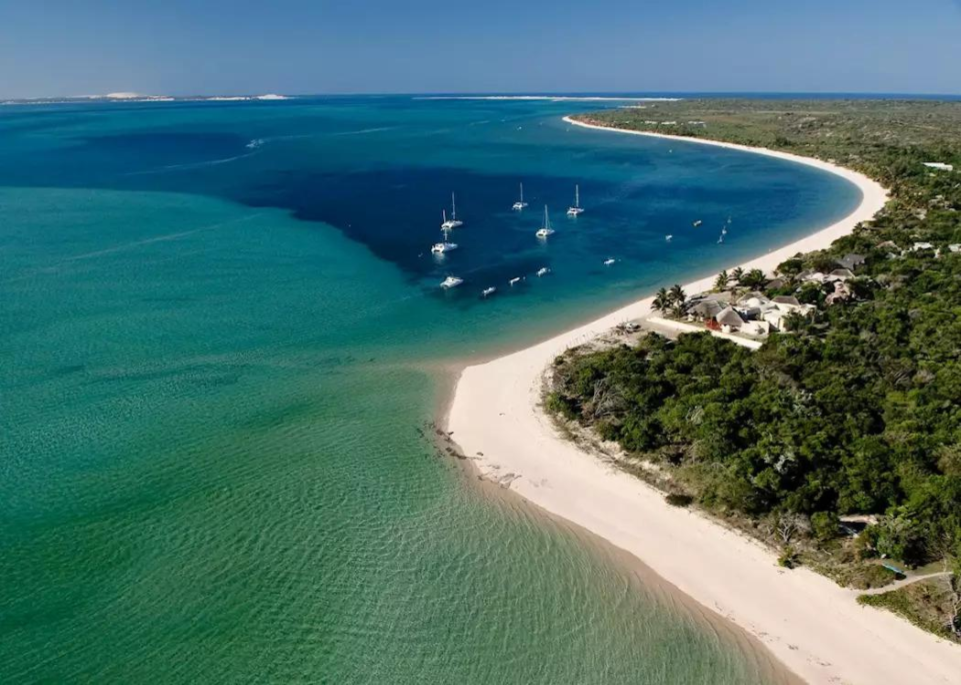
A photo of Benguerra Island, Mozambique. Credit: audleytravel
When I think of climate change, I think of home. Mozambique, where I was born, is a country of dazzling beauty. Coral reefs stretch across the coast, baobab trees rise like ancient guardians, and fertile soils give life to countless crops. Yet, behind this abundance is a painful truth. Mozambique is also one of the countries most vulnerable to climate disasters, with fragile infrastructure, weak protection systems, and limited resources for recovery. Economists have a name for this contradiction: the resource curse, also known as the paradox of abundance. It describes the irony of places rich in natural resources that remain trapped in poverty and inequality. Instead of creating resilience, wealth can deepen vulnerability. For me, this paradox is not abstract. It is a lived reality.
Mozambique's Lesson
Mozambique is rich in fisheries, fertile farmland, and some of the largest untapped energy reserves in Africa. Yet these resources rarely translate into broad-based security. Fishing villages along the coast struggle with declining catches as warming oceans shift marine ecosystems. Farmers depend on fertile soils, but drought and erratic rains increasingly leave harvests in ruins. Electricity projects generate power for export, while rural families light their homes with kerosene lamps. Did you know that during 2019’s Cyclone Idai, a woman had to give birth in a tree after being stranded by floodwaters? Stories like this reveal the very human cost of fragile systems and unprepared infrastructure. These are not problems of scarcity. They are problems of distribution and governance. The paradox of abundance means that wealth exists, but it does not shield ordinary people from climate risks. In fact, it can make the gap between promise and reality even more painful.
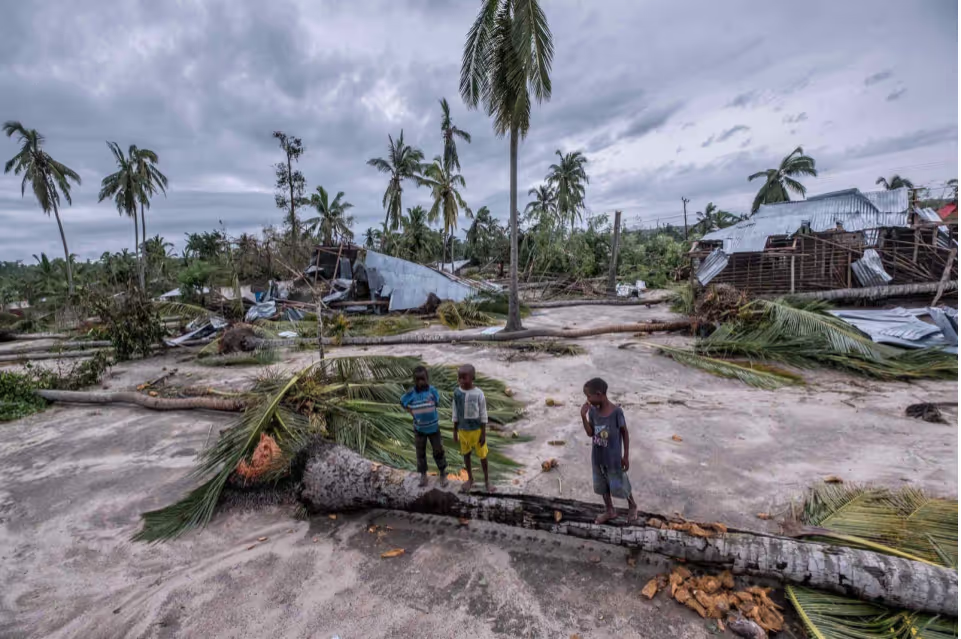
Destruction after the second landfall of Cyclone Freddy in Zambezia Province, Mozambique, on 12 March. Credit: INGD Mozambique
As former UN Secretary-General Kofi Annan said, “Natural resources are neither a curse nor a blessing; they are simply a source of opportunity. They can be used for tremendous good or they can be wasted.” His words capture the heart of the paradox. It is not the presence of resources that determines resilience, but the choices societies make in how they are used.
Canada in Context
Canada, my current home, is also a country defined by abundance. Vast forests, clean freshwater, fertile farmland, and mineral wealth make it one of the richest resource nations in the world. Unlike Mozambique, Canada has stronger infrastructure, advanced technologies, and more capacity to respond to disasters. Yet here too, the paradox of abundance shows itself.
Canada’s economy has long depended on oil and gas, which drive both prosperity and emissions. At the same time, climate disasters have intensified. The 2023 wildfire season forced over 230,000 evacuations, blanketed cities in smoke, and revealed how vulnerable even resource-rich countries can be.
Climate Realities in Peel Region
Peel Region is already experiencing the everyday impacts of a changing climate. Flooding has become more frequent in neighbourhoods across Mississauga, Brampton and Caledon because aging stormwater systems cannot keep up with heavier rainfall, and during the 2023 wildfire season, the region recorded some of the worst air quality levels in Canada, which forced residents indoors and created health risks for children, older adults and people with respiratory conditions. Extreme heat has also intensified, with Peel facing more heat alert days each summer and added strain on low income households and communities that have limited tree cover or access to cooling spaces. Recent events show how real these impacts are, from Peel experiencing two 100-year flood events in a single month to multiple extreme heat episodes in 2024 that affected residents, staff and essential services across the region. These realities support the central idea that even in regions with economic strength, abundance does not guarantee protection from climate risk, and resilience depends on how communities plan, prepare and use their resources.
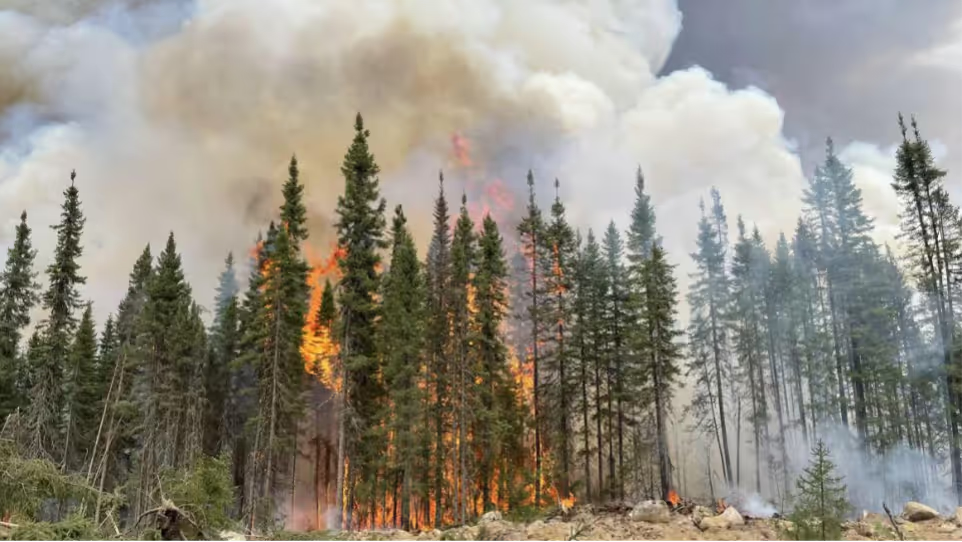
Wildfires in Quebec, Canada, on June 2023. Credit: CNN
And while national policies shape much of the debate, Indigenous communities have long practiced sustainable stewardship rooted in reciprocity with the land. The Seven Generations principle, held by many Indigenous nations, teaches that the impact of every decision should be considered for those living seven generations in the future. It reframes abundance not as what can be taken today, but as what must be protected for tomorrow — a vision of responsibility that resonates deeply in a warming world.
A Global Challenge
This paradox is not unique to Mozambique or Canada. Across the world, countries with immense resource wealth face the same tension. In Venezuela, oil riches did not prevent economic collapse or worsening climate vulnerability. In Nigeria, decades of oil production brought profits but also pollution and inequality. Even wealthy nations like Australia face the challenge of balancing coal exports with the realities of droughts and bushfires.
The pattern is clear: abundance can build resilience or deepen fragility. What matters is not the scale of resources, but whether they are governed for short-term gain or long-term justice.
Turning Abundance Into Resilience
The paradox of abundance reminds us that climate justice is not just about cutting emissions. It is about ensuring that the wealth of resources is invested in ways that protect the most vulnerable. When abundance is mismanaged, the benefits flow upward and the risks fall downward. When it is guided by justice, it becomes a tool for resilience.
Examples of this are already visible. In Mozambique, solar microgrids are powering schools and clinics. In Canada, Indigenous guardianship programs are restoring land and ecosystems. Globally, countries like Costa Rica are proving that protecting forests can generate both biodiversity and economic value.
These stories show that abundance can be reshaped into resilience when equity is at the center.
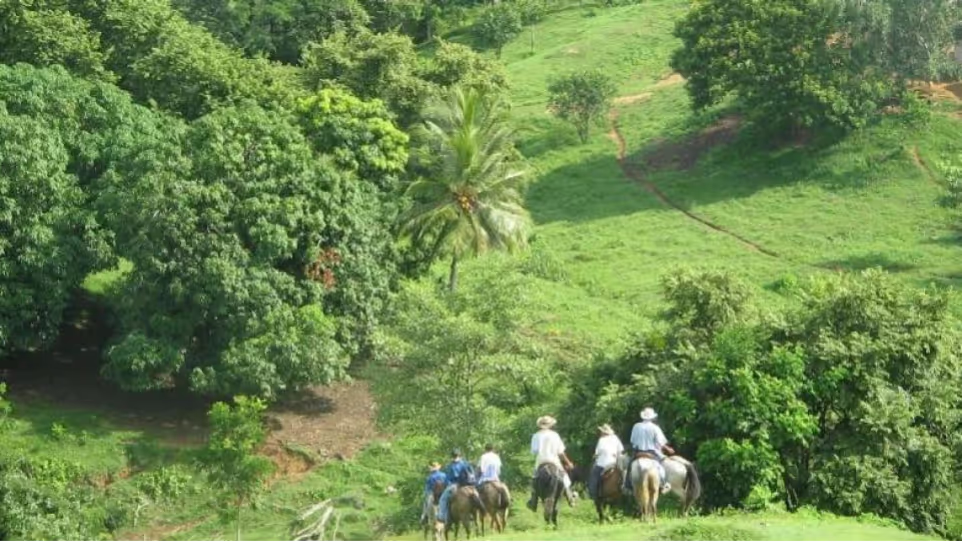
Credit: World Bank
What is true abundance?
When I think back to Mozambique, I remember that abundance is not enough. It cannot stop storms. It cannot guarantee safety. What matters is how societies choose to use their wealth.
From Africa to the Americas, the paradox of abundance challenges us to think differently. True wealth is not measured only in what we extract from the ground. It is measured in how we protect one another, how we invest in our future, and how we turn our resources into resilience.
I also hold a personal belief: we are fortunate to have been born on this beautiful planet, this blue marble full of life, trees, and oceans. It is our duty to protect our shared home — is it not?
As an environmental professional and fellow human being, I am constantly learning and growing through dialogue and shared perspectives. I would love to know your thoughts on the paradox of abundance and how we can turn resources into resilience. Dialogue stimulates new ideas and strengthens collective action. Feel free to connect with me on LinkedIn and reach out! I’d be happy to continue the conversation.
__________________________________________________________________________________________________________________________
Sources
- BBC News. (2019, April 3). Mozambique woman gives birth in mango tree during floods.
https://www.bbc.com/news/world-africa-47803565 - CUMBANA, V. (2025, May 28). Powering Rural Development: How Solar Mini-Grids are transforming. . . Open.Enabel.https://open.enabel.be/en/MOZ/2188/3136/u/powering-rural-development-how-solar-mini-grids-are-transforming-mozambique-s-countryside.html
- Finucane, D. (2023, June 28). “High risk” air quality forecast for Mississauga, Brampton due to wildfire smoke | INsauga. INsauga | Ontario Local News Network. https://www.insauga.com/high-risk-air-quality-forecast-for-mississauga-brampton-due-to-wildfire-smoke/
- Natural Resource Governance Institute. (2015). The Resource Curse. https://resourcegovernance.org/sites/default/files/nrgi_Resource-Curse.pdf
- Natural Resources Canada. (2025, September 10). Forest fires. https://natural-resources.canada.ca/forest-forestry/wildland-fires/forest-fires
- Peel Region. (2025, June 25). Peel shares 2024 Climate Change Progress Report: Advancing action amid record heat and rising emissions - peelregion.ca. https://peelregion.ca/press-releases/peel-shares-2024-climate-change-progress-report-advancing-action-amid-record-heat-rising-emissions
- Roy, D., & Cheatham, A. (2024, July 31). Venezuela: the rise and fall of a petrostate. Council on Foreign Relations. https://www.cfr.org/backgrounder/venezuela-crisis
- Smith, B. (2025, April 20). Seven Generations Principle: Healing the Past & Shaping the Future — The Indigenous Foundation. The Indigenous Foundation. https://www.theindigenousfoundation.org/articles/seven-generations-principle-healing-the-past-amp-shaping-the-future
- Stan, S. (2024). The Curse of Natural Resources Paradox of Abundance: the Case of Venezuela. Questa Soft. https://www.ceeol.com/search/article-detail?id=1293685
- United Nations: Meetings Coverage and Press Releases. (2013, June 19). Natural Resource Wealth Fails to Translate into ‘Equivalent’ Benefits for People, Fuelling Conflict, Instability, Deputy Secretary-General Tells Security Council | Meetings Coverage and Press Releases. https://press.un.org/en/2013/sc11037.doc.htm
- Yadav, A., & Peacock, P. (2025, April 18). Tackling the Climate Crisis: What the Region of Peel needs and which federal party can deliver. The Pointer. https://thepointer.com/article/2025-04-18/tackling-the-climate-crisis-what-the-region-of-peel-needs-and-which-federal-party-can-deliver


