%20(4).png)


For a long time, I thought that climate action had to look a certain way. It was protests, policy meetings, or scientists in lab coats.
It felt intimidating, like unless you were doing everything, you weren’t doing enough. But over the years, I’ve learned that climate action doesn’t have a single definition. It’s not a title you earn or a checklist you complete. It’s a collection of choices, relationships, and commitments that are different depending on who you are and where you stand.
My own journey into climate advocacy didn’t start in a classroom or a conference room. It started with curiosity about nature, about people, and about the places I visited. That curiosity led me to community gardens, youth programs, and eventually to working alongside communities in Canada, Kenya, Malawi, and Honduras.
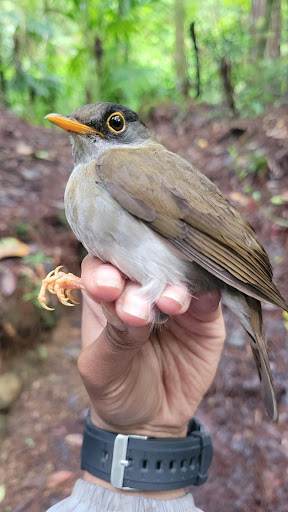
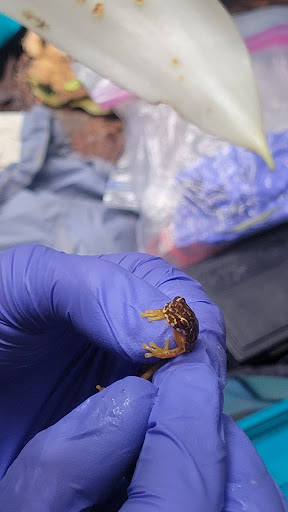
In each place I visited, climate action was unique. Sometimes it meant restoring ecosystems or protecting endangered species. Other times, it meant supporting livelihoods, listening deeply, or helping people access knowledge and resources that were already within their reach.
What became clear to me is that climate action is not only about reducing emissions or protecting land. It’s about people. It’s about equity, access, and dignity. It’s about recognizing that not everyone has the same capacity, safety, or tools to engage in advocacy, and that those realities matter.
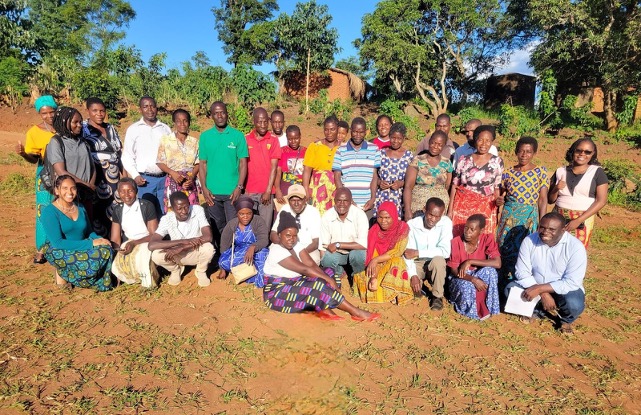
Some of the most powerful climate action I’ve witnessed has been quiet and uncelebrated:
- A youth discovering their voice through environmental education.
- An individual learning about the circular economy. A community coming together to protect a shared green space.
- A volunteer showing up consistently, even when progress feels slow.
These moments don’t always make headlines, but they are foundational to long-term change.
Today, I engage in climate advocacy in many ways: coordinating programs, supporting youth leadership, writing grants, building partnerships, reducing my consumption, and creating spaces where people feel empowered rather than overwhelmed. My experiences have taught me that climate action can be policy work, but it can also be education, care, creativity, and community-building. It can be local or global. It can be loud or quiet.
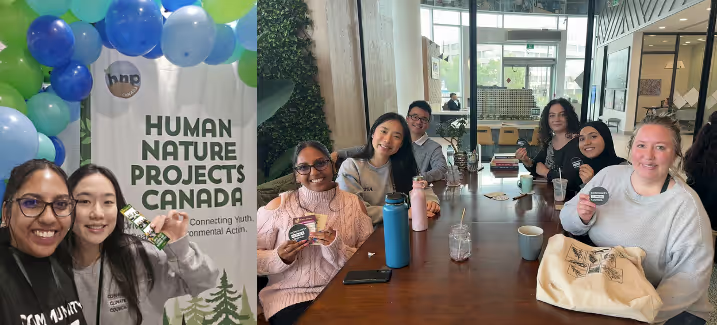
But the most important lesson I’ve learned? Climate action is not about perfection. It’s about participation. There is room for everyone, whether you’re planting trees, organizing events, mentoring youth, changing how you consume, or simply asking better questions.
If you’re a young person or a community member wondering where you fit into climate action, know this:
You don’t need to have all the answers to start. You don’t need to be an expert, an activist, or a perfect environmentalist. You just need to care. You just need to decide to take one step.
That step might look like speaking to your city councillors, asking questions, volunteering your time, learning about the land you live on, or supporting others who are already doing this work. It might look like creativity, leadership, organizing, education, or simply showing up when it matters. Whatever form it takes, your contribution is valid.
Climate action needs all of us. Our lived experiences, our cultures, our skills, and our ideas. The movement grows stronger when more people see themselves reflected in it. So, find the version of climate action that feels true to you and take up space in it. Your voice, your presence, and your care matter more than you realize.
Climate action looks different to each of us. That’s not a weakness; it’s our greatest strength.
So, what does climate action look like for you?


